Boothbay mother-daughter duo release kid's cookbook
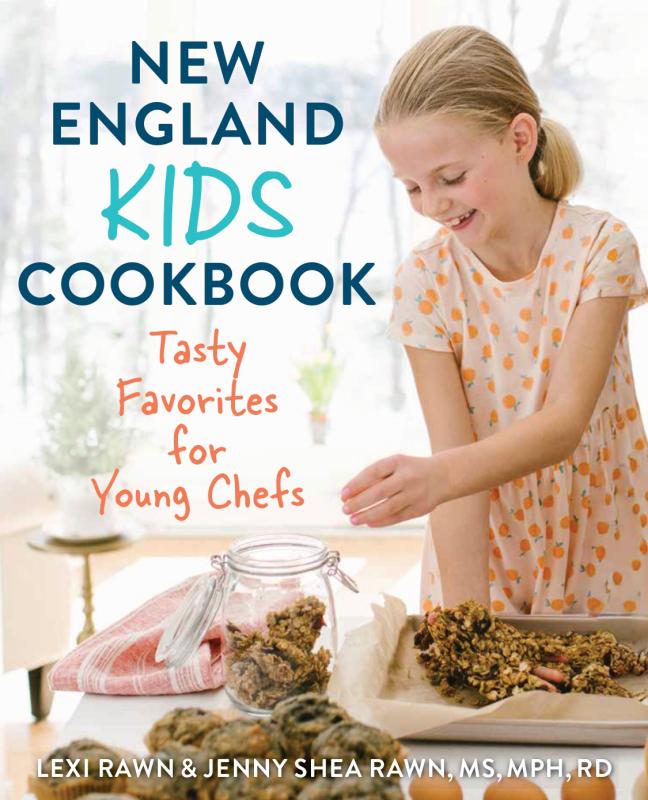
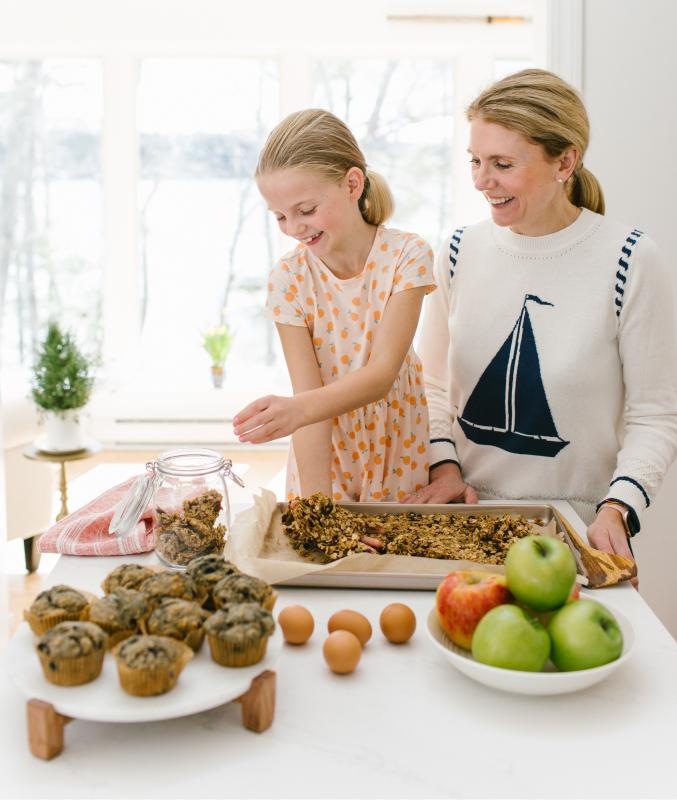 Boothbay Region Elementary School student Lexi, 9, and her mother, Jenny Shae Rawn, compiled some regional favorites into kid-friendly recipes in a new cookbook. Courtesy of Jenny Shae Rawn
 Courtesy of Jenny Shae Rawn
 Courtesy of Jenny Shae Rawn
Boothbay Region Elementary School student Lexi, 9, and her mother, Jenny Shae Rawn, compiled some regional favorites into kid-friendly recipes in a new cookbook. Courtesy of Jenny Shae Rawn
Courtesy of Jenny Shae Rawn
Courtesy of Jenny Shae Rawn
Courtesy of Jenny Shae Rawn
Boothbay Region Elementary School student Lexi, 9, and her mother, Jenny Shae Rawn, compiled some regional favorites into kid-friendly recipes in a new cookbook. Courtesy of Jenny Shae Rawn
Courtesy of Jenny Shae Rawn
Courtesy of Jenny Shae Rawn
It isn’t uncommon for Jenny Shea Rawn of Boothbay to wake up to her daughter Lexi, 9, already being in the kitchen. Sometimes she’s whipping up a simple grilled cheese or smoothie; other times, it's a large snack platter for her and older brother Lucca, 11.
“She puts on her apron, and she's all decked out. She's great with a knife, which is scary, but she is (good), so I don't really worry,” Rawn said, laughing.
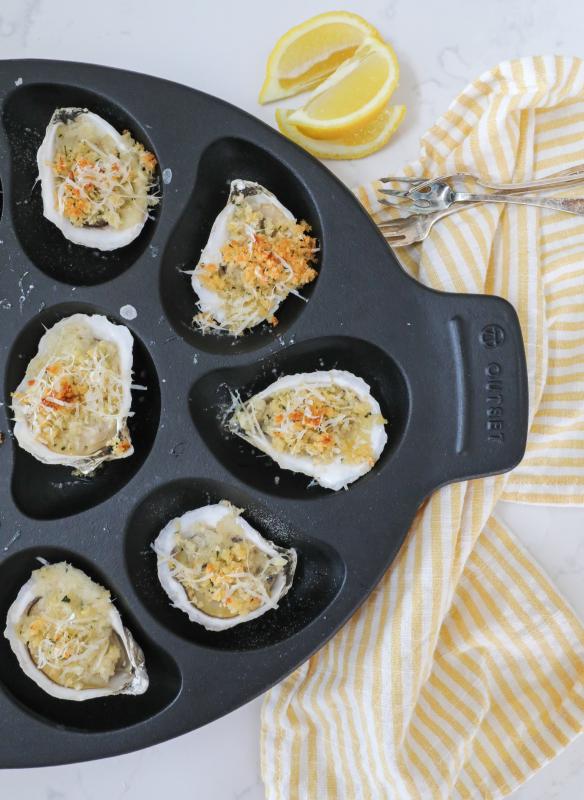
Lexi was the brainchild behind the pair’s recently published “New England Kids Cookbook,” a child-friendly guide to regionally themed snacks, appetizers, entrees, desserts and more. The book also features field trips to some familiar regional locations, from Barters Island Bees to Atlantic Edge Lobster, Norumbega Oyster Farm and Biscay Orchard. The book is available at Sherman’s bookstore and online.
Inspiration for the collection came three years ago when Rawn, a nationally recognized Registered Dietitian, published her first cookbook, “Coastal Kitchen.” Lexi, then 6, responded by creating a kid’s seafood cookbook, complete with a hand-drawn cover, that the mother-daughter duo started collecting recipes in. However, the older and more interested in cooking Lexi became, the more appealing it became to turn their concept into reality.
But publishers felt it would be best to broaden the scope. So, while seafood remains a big part, the recipes also highlight other classic New England fare. But Rawn hasn’t ruled out the first idea. “It is a small subset of kids that are excited about seafood. We want to change that, so maybe that's (cookbook) number two.”
Pulling from favored at-home meals and simplified variations of recipes from “Coastal Kitchen," the goal was to make the unfamiliar, familiar; lobster sliders in place of cheeseburgers or, Lexi’s favorite, salmon bites instead of chicken nuggets.
“We felt strongly about having simple, good recipes, but also ... the field trip portion to actually show kids where their food comes from. I feel like that's something that's being lost.”
Food doesn’t just appear at the grocery store. There’s a whole, often invisible, world of food production occurring in our own backyard, whether it's the region’s working waterfront or inland farms. Both Lexi and Lucca agree that getting to see these places up close and personal was the best part of the book’s creation process.
“As a culture, we've gotten away from food in its natural state. The majority of Americans are eating so much ultra-processed foods, and I think that's what's so great about our local fruits, vegetables and seafood that we have such great access to. All of that tastes amazing in its natural state. Add a little bit of fat, a little bit of salt, and you can make a great meal.”
Rawn acknowledged this can often be easier said than done, as better quality meals can take more money and time. Like anyone else, her family often turns to frozen or canned foods. It’s all about striking a balance. And it's never too early to get your kids involved in the process.
“I hope that (this book) inspires her peers and other kids in Maine that if they see something that they want to do, they can do it ... They'll see that a local name made a cookbook, and know they can do hard things too, things that don't seem possible.”