WCAT eyes how to help residents stay warm this winter
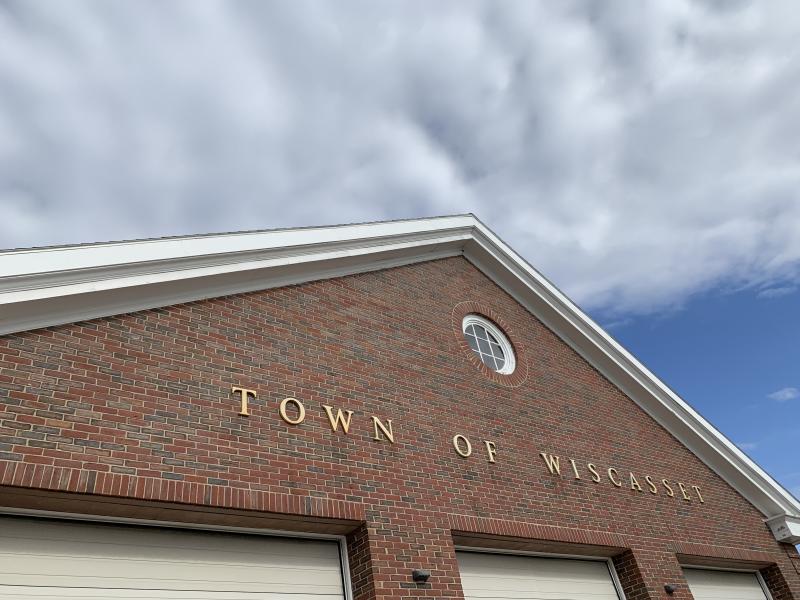
"A lot of people in our community are freaking out about the high cost of heating oil, and worrying about how they are going to stay warm this winter,” Chair Leslie Roberts told a meeting of the Wiscasset Climate Action Team Oct. 28. Participants later discussed ideas to possibly help residents keep the heat in. One idea was to schedule demonstrations on how to install insulation.
Roberts' comment about residents' concerns came when Economic Development Director Aaron Chrostowsky was updating WCAT on Wiscasset’s and RePower Wiscasset’s pursuit of technical help from the U.S. Department of Energy's Energy Technology Innovation Partnership Project (ETIPP).
Part of the federal help the town and RePower Wiscasset are eying involves planning to reduce household energy usage.According to Chrostowsky’s Oct. 28 written update to selectmen ahead of the board’s Nov. 3 meeting, the board and the local ETIPP team need to decide soon whether to apply to ETIPP’s “Deep-dive technical assistance program.”
As WCAT members discussed the matter Oct. 28, Selectman Cassaundra Rose, former WCAT chair and now the board's liaison to WCAT, said past social media posts WCAT put together could easily be updated "to apply right now, to help people understand there are things (to help) lower their energy costs."
Rose also voiced interest in the town potentially helping residents weatherize their homes. She wants to see what other towns have done on this, "because I think the easiest thing in the near term, for anybody to save money this winter is if they're able to seal up leaks in their home." She said some communities have, through grants or other funding, aided residents in addition to the state rebates people can seek.
WCAT member Marty Fox said there are groups in Boothbay and Brunswick doing weatherizing and he could get Rose some information. She welcomed that and any other research she could share with her fellow selectmen.
"I think particularly for our lowest-income residents, who are really at the margin right now, providing that assistance could be incredibly influential and help them in the long term, as well as just right now ...," Rose said. "To me, this is a 'Let's help people this winter, because this is an emergency' situation."
Roberts and Chrostowsky later provided the following links to share with readers: https://www.wiscasset.gov/m/newsflash/home/detail/208 and https://www.maine.gov/energy/winter-heating-resources
Also Oct. 28, WCAT discussed proposing a name change, a directive, and three-year terms for members. All of this would take selectmen’s approval, according to the discussion. The name eyed was Sustainable Wiscasset. Member Grace Greene said it would be easier to promote, “which I think is something that might be a good thing for us to work on, is just promoting ourselves so people know that we exist and what we do.”
The draft directive stated the committee's purpose was to "advise the Selectboard on policies, programs, and projects that protect Wiscasset’s environment and natural resources, support environmentally responsible land use planning, conserve energy, promote sustainability, and address climate change. The committee shall recommend practical, cost-effective strategies to protect water quality, wildlife habitat, and open space; encourage sustainable development; reduce energy use and greenhouse gas emissions; and strengthen community resilience through education, partnerships, and coordination with the Planning Board and other municipal bodies.”
The group planned to send Chrostowsky any proposed changes to the document by Friday night, Nov. 6 and then meet via Zoom at 6 p.m. Tuesday, Nov. 10 to vote on the document in time for it to make the Nov. 17 selectmen’s agenda.