Time to count alewives in Woolwich
 Courtesy photo
  Courtesy photo
  Courtesy photo
Courtesy photo
Courtesy photo
Courtesy photo
Courtesy photo
Courtesy photo
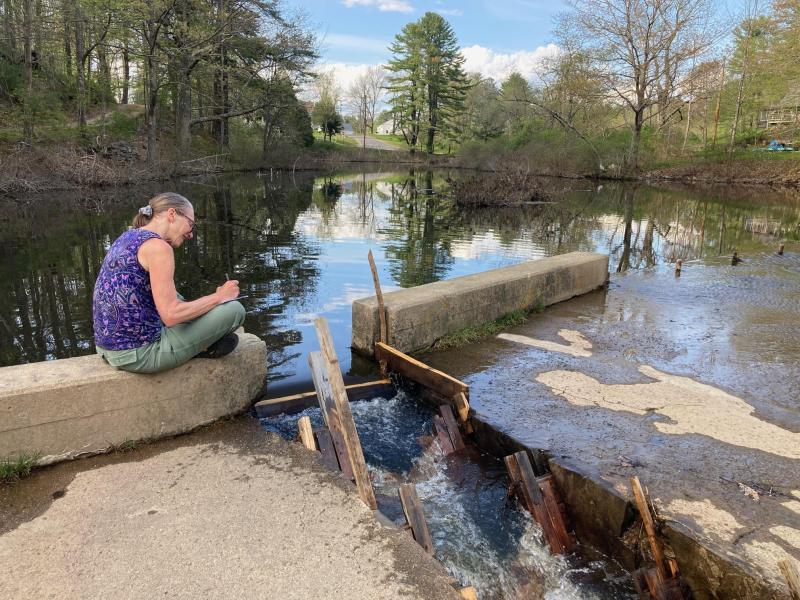
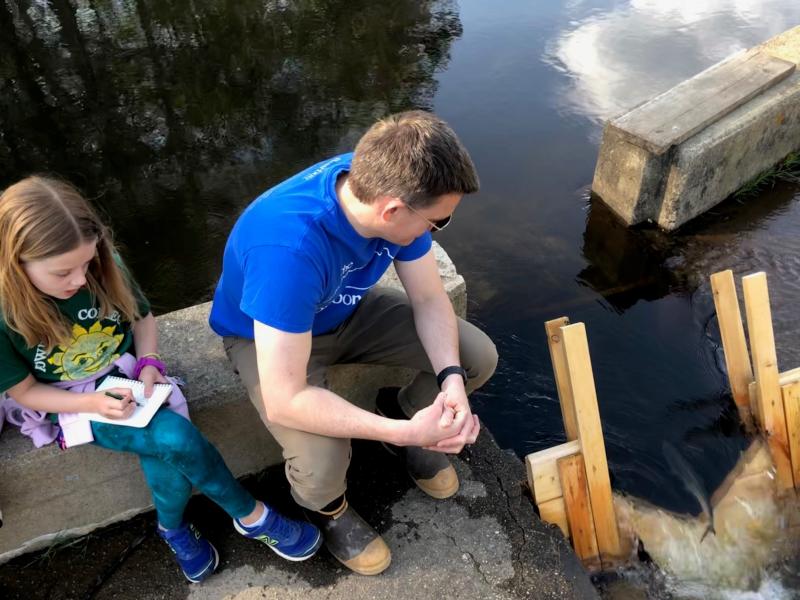
Courtesy photo As spring comes to coastal Maine, it brings with it the return of alewives to Nequasset Lake and the start of the annual Nequasset alewife count. Counting alewives is an exciting way to celebrate spring, take part in one of the world's great migrations, and help an important and historic fishery! Volunteers are needed from May through early June to count the fish that successfully make it into Nequasset Lake to spawn. Alewife counting is a fun activity for both children and adults, and no prior experience is necessary.
Sign up for the count at kennebecestuary.org/fish-count-signup. Each fish counter signs up for a two-hour block and counts fish for two 10-minute periods in that block. Counting is broken into these blocks between 6 a.m. and 8 p.m. every day of the week for the month and a half when the fish are migrating.
Although seeing alewives fight the current to enter the lake is the main event, volunteers have also had the chance to see eagles, herons, ospreys, mink, bass and loons drawn to the ladder by the lure of an alewife meal. A visit to the fish ladder also brings the chance to see an active alewife harvest or to purchase some smoked alewives.
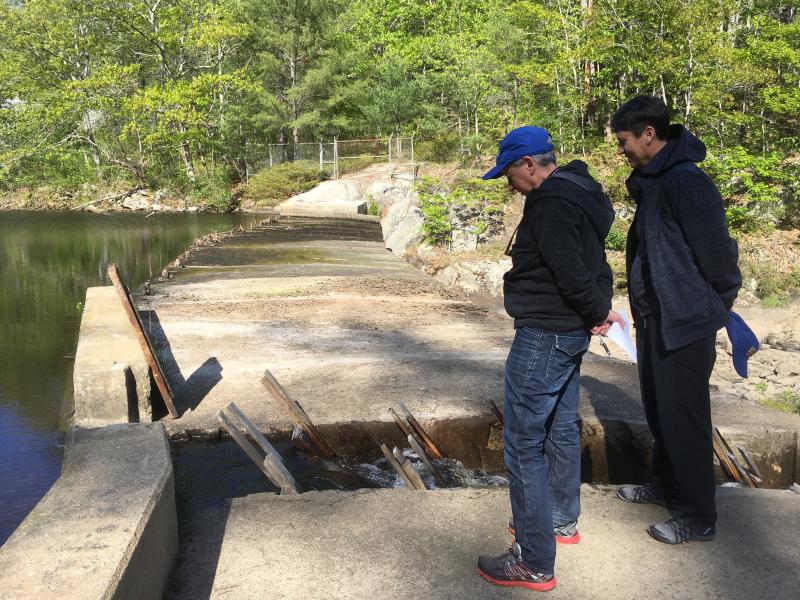
Alewives are an important part of the food chain in the Gulf of Maine, both in the water and on land. They feed fish like cod and striped bass, and birds of prey depend on the alewife migration for a source of spring food. Historically and today, alewives are a valued bait fish for Maine’s lobster industry. There has been an active alewife run and sustainable harvest at Nequasset for hundreds of years. Counting helps to assess if the fish ladder is working as well as it possibly can to enable fish to make their way over Nequasset Dam and enter Nequasset Lake.
If you have any questions about the Nequasset alewife count, contact Ruth Indrick at Kennebec Estuary Land Trust at rindrick@kennebecestuary.org or (207) 442-8400.