‘Mr. Drew’ brings his zoo to Boothbay Harbor
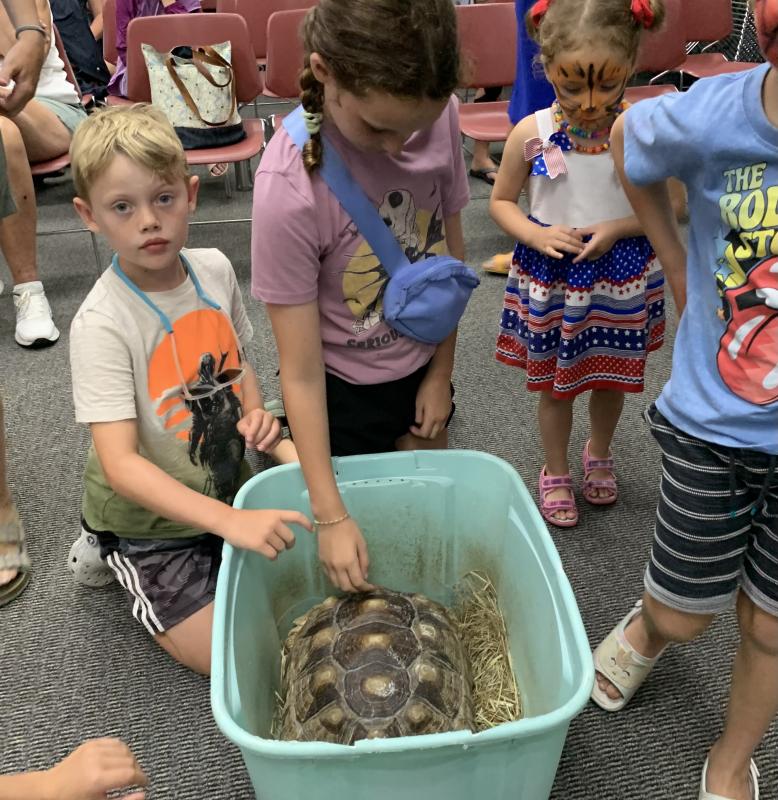
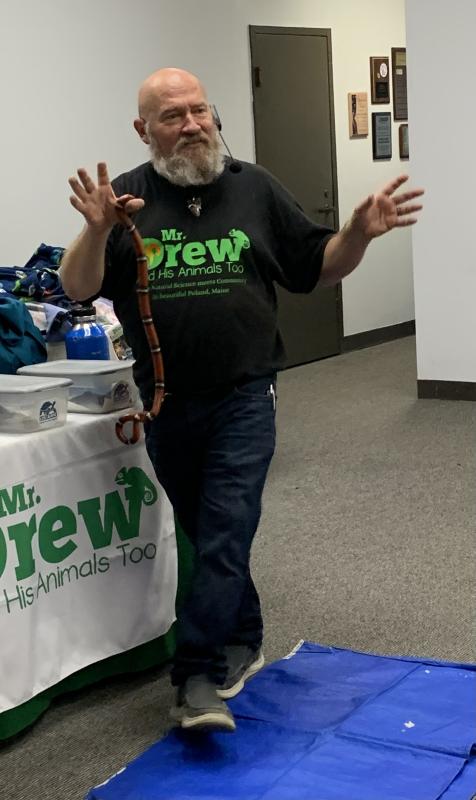
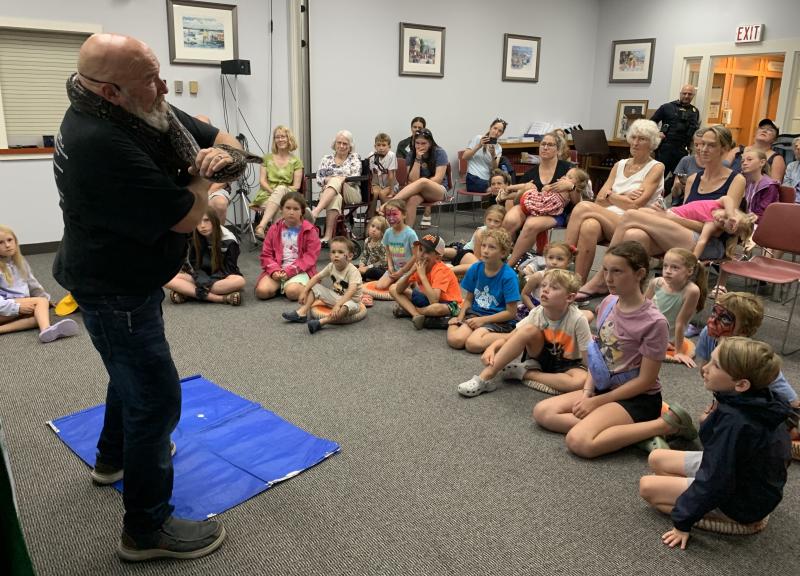
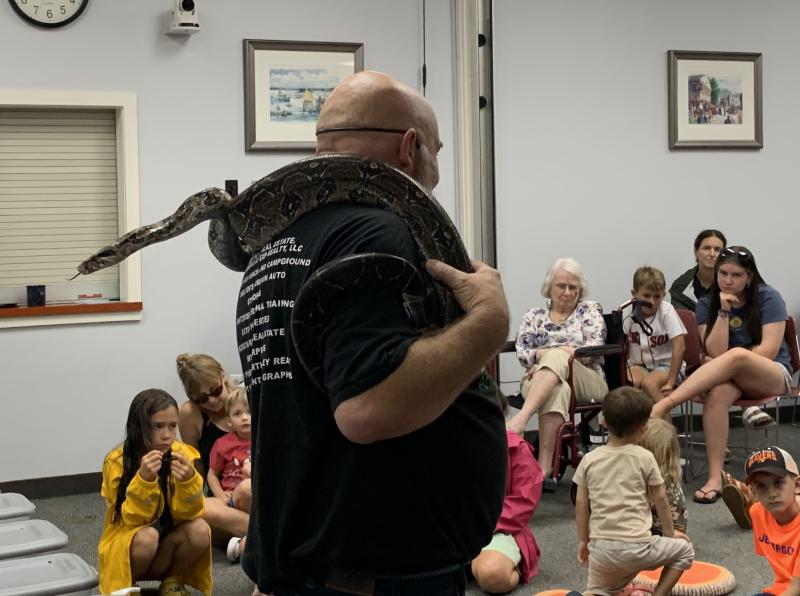
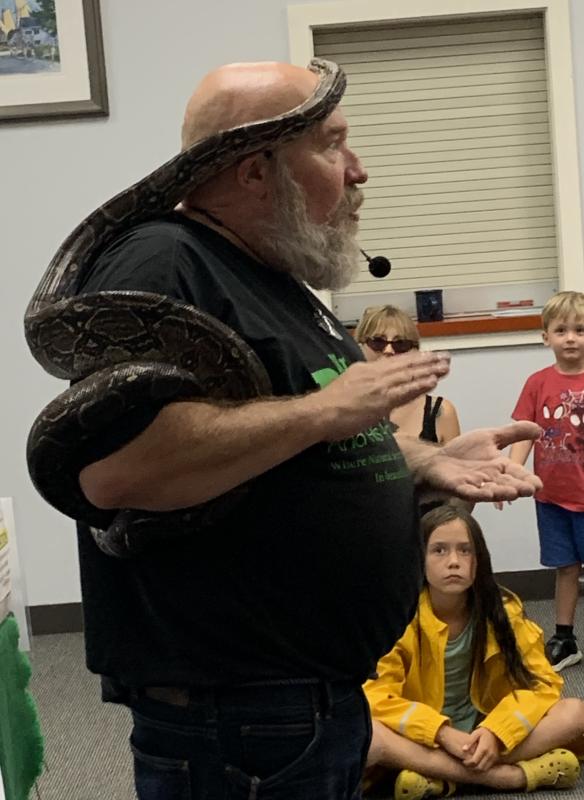
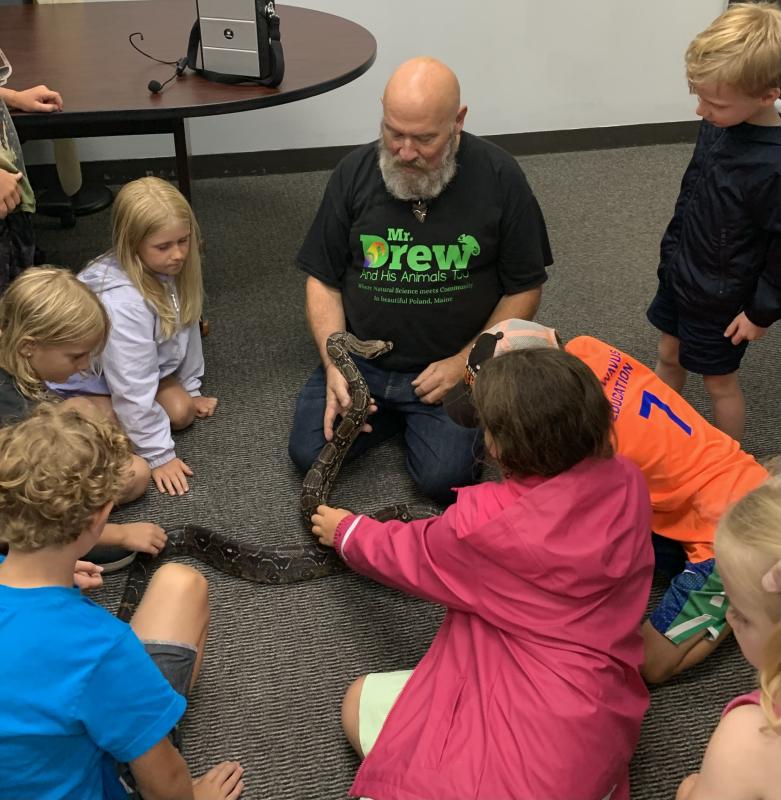
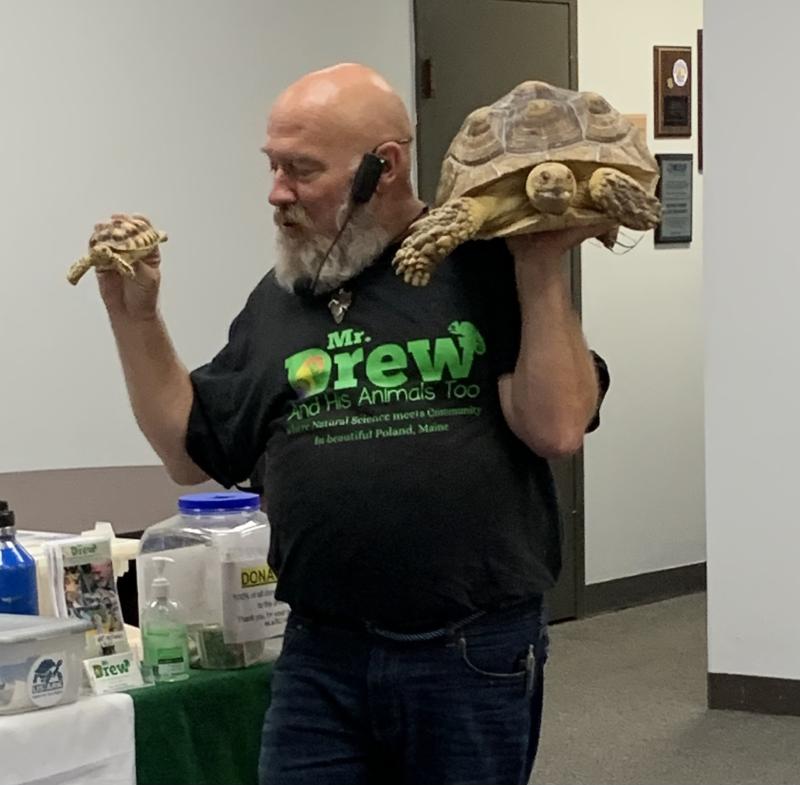
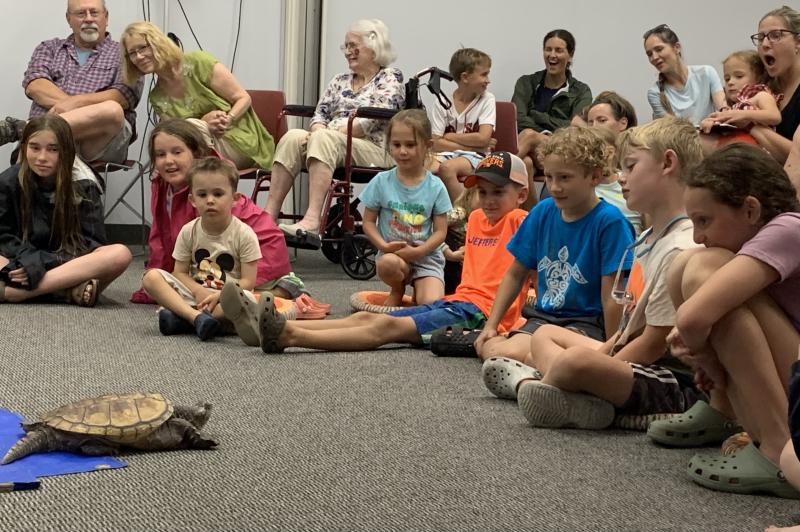 Don't worry, he doesn't bite! The excitement was palpable Aug. 7 as attendees got a tour of Mr. Drew's exotic animals from his Poland-based organization. ISABELLE CURTIS/Boothbay Register
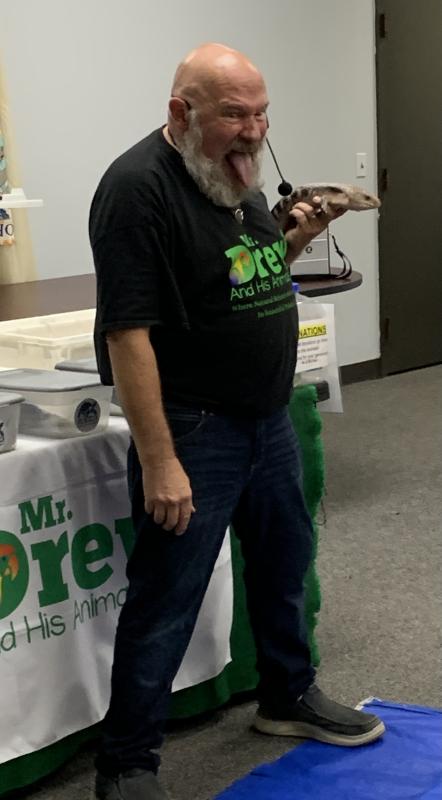
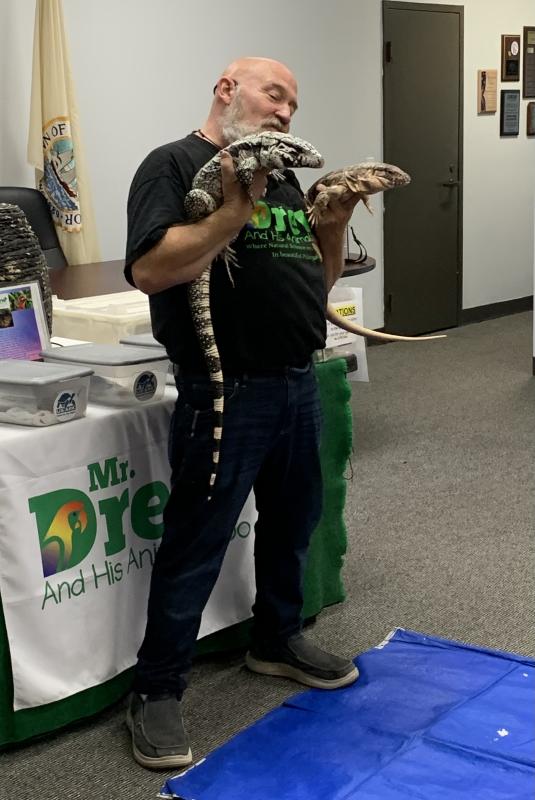
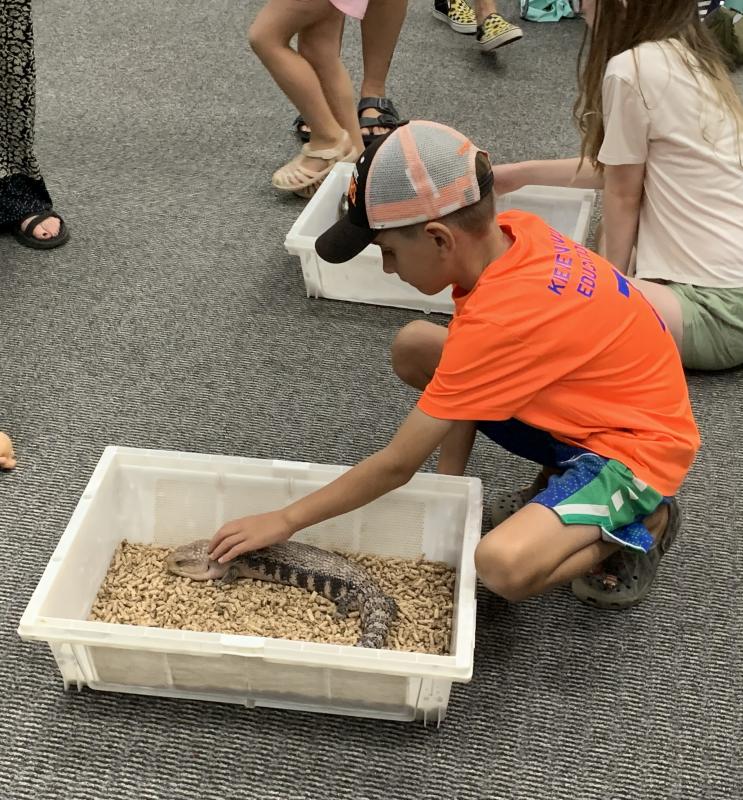
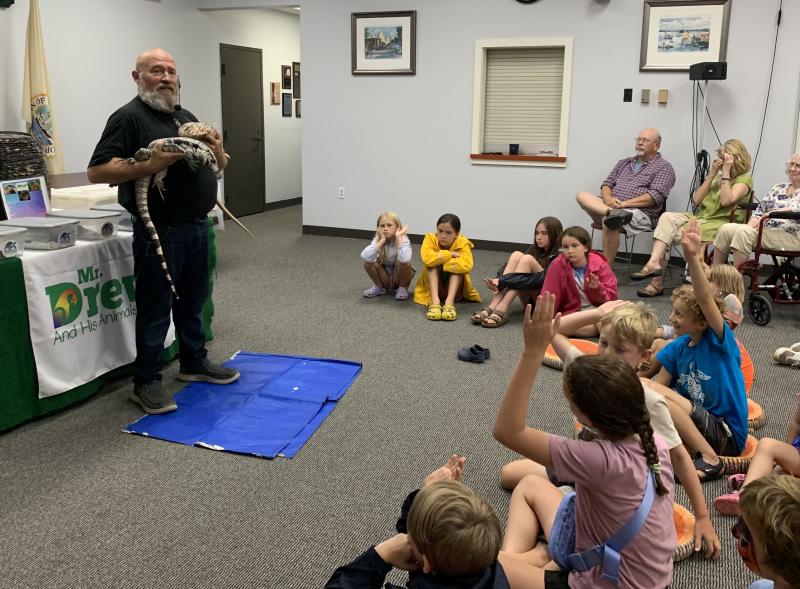 Argentine and Brazilian tegu lizards have historically been hunted for their skin to make handbags. In captivity, they can be extremely affectionate. ISABELLE CURTIS/Boothbay Register
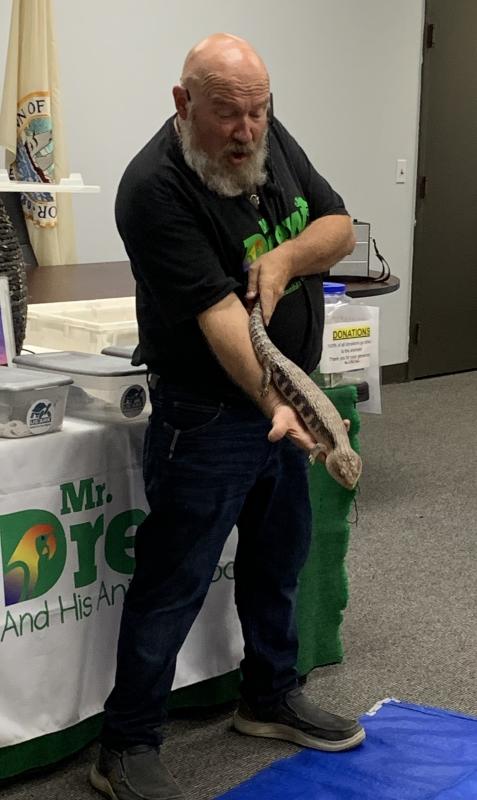
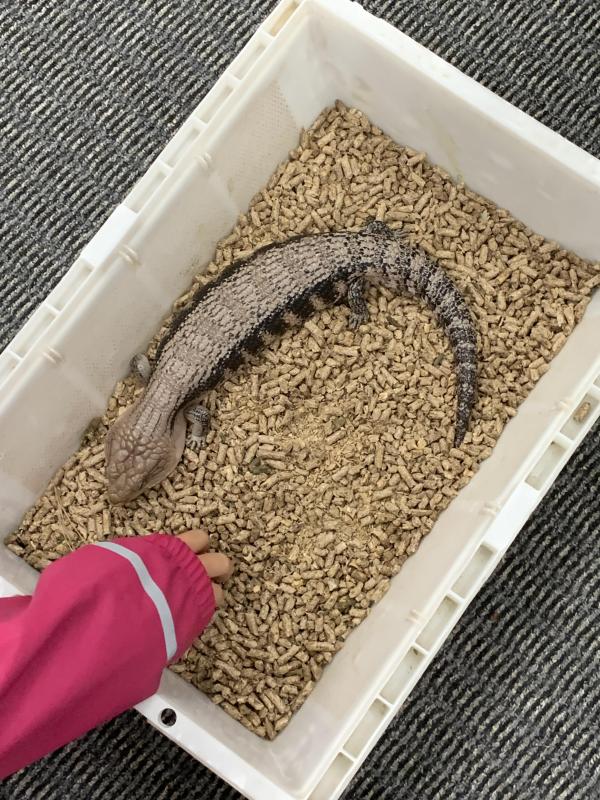
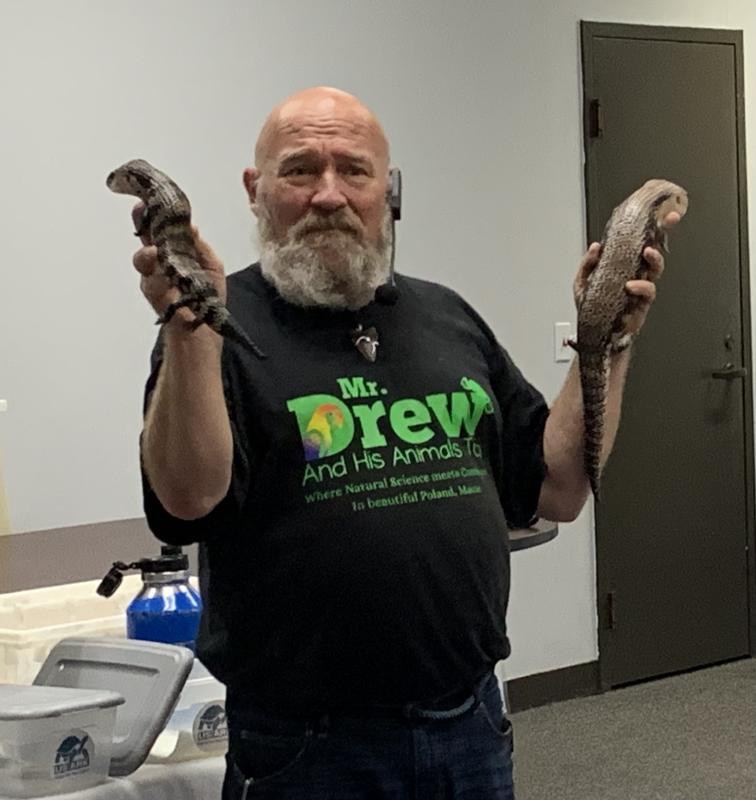 Drew “Mr. Drew” Desjardins compares a healthy blue-tongued skink, right, with one that has a permanent spine curvature from metabolic bone disease. The latter did not receive proper care after being bought from a pet store. ISABELLE CURTIS/Boothbay Register
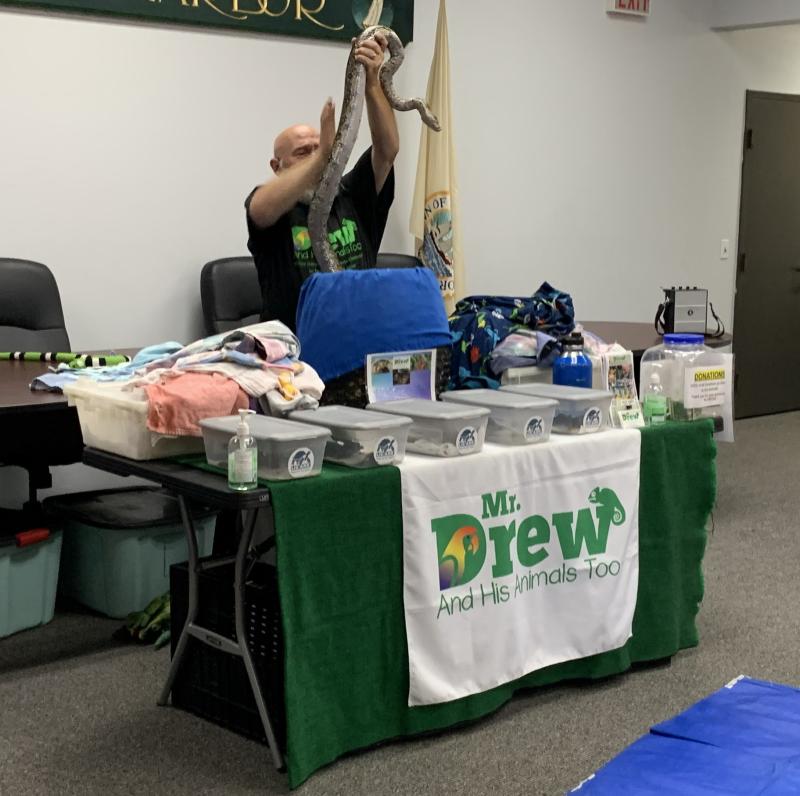
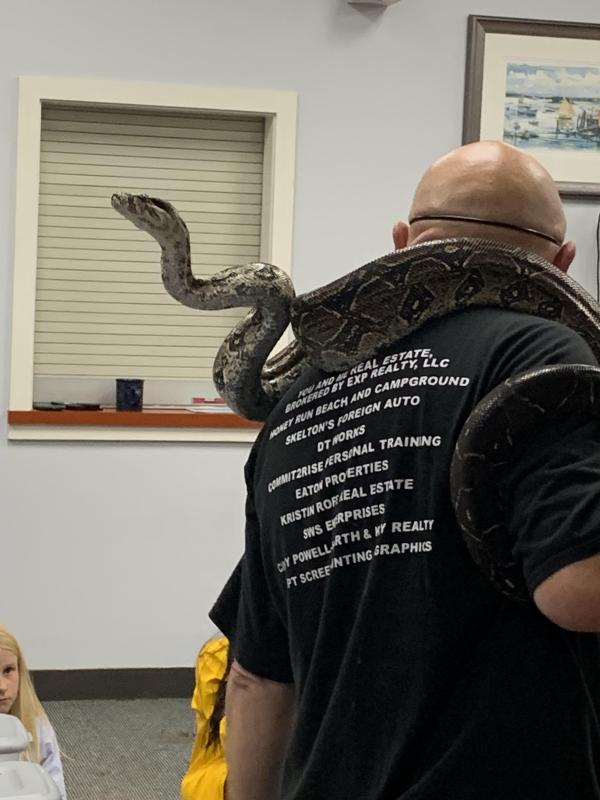 Just taking a look around … ISABELLE CURTIS/Boothbay Register
 ISABELLE CURTIS/Boothbay Register
 ISABELLE CURTIS/Boothbay Register
 ISABELLE CURTIS/Boothbay Register
 ISABELLE CURTIS/Boothbay Register
 ISABELLE CURTIS/Boothbay Register
 ISABELLE CURTIS/Boothbay Register
 ISABELLE CURTIS/Boothbay Register
 ISABELLE CURTIS/Boothbay Register
 ISABELLE CURTIS/Boothbay Register
 ISABELLE CURTIS/Boothbay Register
 ISABELLE CURTIS/Boothbay Register
 ISABELLE CURTIS/Boothbay Register
 ISABELLE CURTIS/Boothbay Register
 ISABELLE CURTIS/Boothbay Register
 ISABELLE CURTIS/Boothbay Register
 ISABELLE CURTIS/Boothbay Register
 ISABELLE CURTIS/Boothbay Register
 ISABELLE CURTIS/Boothbay Register
 ISABELLE CURTIS/Boothbay Register
 ISABELLE CURTIS/Boothbay Register
 ISABELLE CURTIS/Boothbay Register
 ISABELLE CURTIS/Boothbay Register
 ISABELLE CURTIS/Boothbay Register
 ISABELLE CURTIS/Boothbay Register
Don't worry, he doesn't bite! The excitement was palpable Aug. 7 as attendees got a tour of Mr. Drew's exotic animals from his Poland-based organization. ISABELLE CURTIS/Boothbay Register
Argentine and Brazilian tegu lizards have historically been hunted for their skin to make handbags. In captivity, they can be extremely affectionate. ISABELLE CURTIS/Boothbay Register
Drew “Mr. Drew” Desjardins compares a healthy blue-tongued skink, right, with one that has a permanent spine curvature from metabolic bone disease. The latter did not receive proper care after being bought from a pet store. ISABELLE CURTIS/Boothbay Register
Just taking a look around … ISABELLE CURTIS/Boothbay Register
ISABELLE CURTIS/Boothbay Register
ISABELLE CURTIS/Boothbay Register
ISABELLE CURTIS/Boothbay Register
ISABELLE CURTIS/Boothbay Register
ISABELLE CURTIS/Boothbay Register
ISABELLE CURTIS/Boothbay Register
ISABELLE CURTIS/Boothbay Register
ISABELLE CURTIS/Boothbay Register
ISABELLE CURTIS/Boothbay Register
ISABELLE CURTIS/Boothbay Register
ISABELLE CURTIS/Boothbay Register
ISABELLE CURTIS/Boothbay Register
ISABELLE CURTIS/Boothbay Register
ISABELLE CURTIS/Boothbay Register
ISABELLE CURTIS/Boothbay Register
ISABELLE CURTIS/Boothbay Register
ISABELLE CURTIS/Boothbay Register
ISABELLE CURTIS/Boothbay Register
ISABELLE CURTIS/Boothbay Register
ISABELLE CURTIS/Boothbay Register
ISABELLE CURTIS/Boothbay Register
ISABELLE CURTIS/Boothbay Register
ISABELLE CURTIS/Boothbay Register
ISABELLE CURTIS/Boothbay Register
ISABELLE CURTIS/Boothbay Register
Don't worry, he doesn't bite! The excitement was palpable Aug. 7 as attendees got a tour of Mr. Drew's exotic animals from his Poland-based organization. ISABELLE CURTIS/Boothbay Register
Argentine and Brazilian tegu lizards have historically been hunted for their skin to make handbags. In captivity, they can be extremely affectionate. ISABELLE CURTIS/Boothbay Register
Drew “Mr. Drew” Desjardins compares a healthy blue-tongued skink, right, with one that has a permanent spine curvature from metabolic bone disease. The latter did not receive proper care after being bought from a pet store. ISABELLE CURTIS/Boothbay Register
Just taking a look around … ISABELLE CURTIS/Boothbay Register
ISABELLE CURTIS/Boothbay Register
ISABELLE CURTIS/Boothbay Register
ISABELLE CURTIS/Boothbay Register
ISABELLE CURTIS/Boothbay Register
ISABELLE CURTIS/Boothbay Register
ISABELLE CURTIS/Boothbay Register
ISABELLE CURTIS/Boothbay Register
ISABELLE CURTIS/Boothbay Register
ISABELLE CURTIS/Boothbay Register
ISABELLE CURTIS/Boothbay Register
ISABELLE CURTIS/Boothbay Register
ISABELLE CURTIS/Boothbay Register
ISABELLE CURTIS/Boothbay Register
ISABELLE CURTIS/Boothbay Register
ISABELLE CURTIS/Boothbay Register
ISABELLE CURTIS/Boothbay Register
ISABELLE CURTIS/Boothbay Register
ISABELLE CURTIS/Boothbay Register
ISABELLE CURTIS/Boothbay Register
ISABELLE CURTIS/Boothbay Register
ISABELLE CURTIS/Boothbay Register
ISABELLE CURTIS/Boothbay Register
ISABELLE CURTIS/Boothbay Register
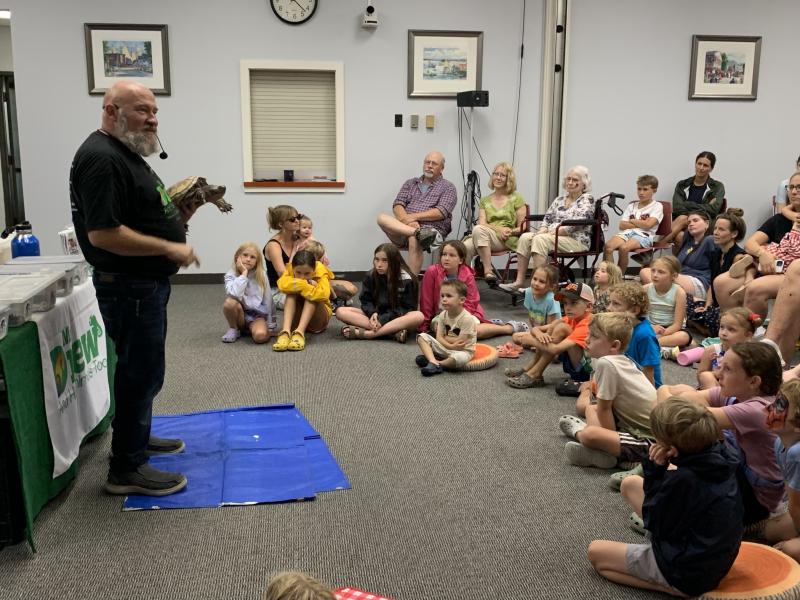
ISABELLE CURTIS/Boothbay RegisterLooking like a page had been ripped from National Geographic, a menagerie of exotic animals touched down at Boothbay Harbor Town Hall Aug. 7 for a presentation from "Mr. Drew and His Animals Too." Boothbay Harbor Memorial Library hosted the event.
The titular Mr. Drew, Drew Desjardins, has worked with exotics for 35 years and started his organization about 15 years ago. His Poland-based team runs a combination of a hands-on natural science and history museum, and an exotic rescue/reptile zoo. Their tagline reads, they take what the Humane Society won’t. This includes reptiles, amphibians, birds and fish, totaling over 400 animals in-facility.
In a pre-event interview, Desjardins said the goal is education, not becoming a pet store. In fact, many animals they receive are sick from mistreatment. And most are illegal to own in Maine. A strong believer that Maine ecosystems belong to Maine animals, Desjardins often works with the Warden Service as a consultant and helps make laws about exotics.
If animals leave, they are placed with facilities that can guarantee continuity of care. For example, New Hampshire's Living Shores Aquarium received 90% of its snakes from Desjardins.
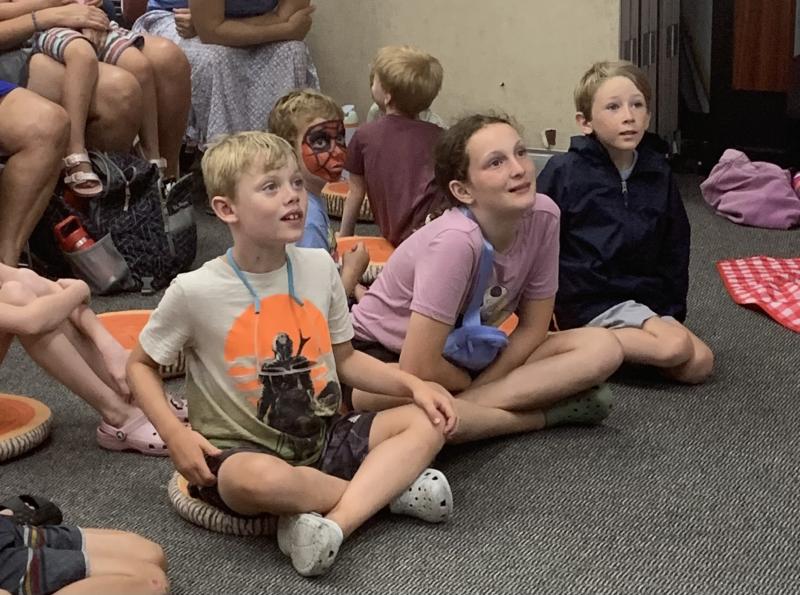
Demystifying misunderstood creatures is the mission. As Desjardins told the children in attendance: There is no such thing as a bad animal.
"People tell stories about animals that are not true. When people do tell those stories, it causes fear. Fear leads to hate. Hate leads to harm every single time. People harm animals rather than learning about them," said Desjardins.
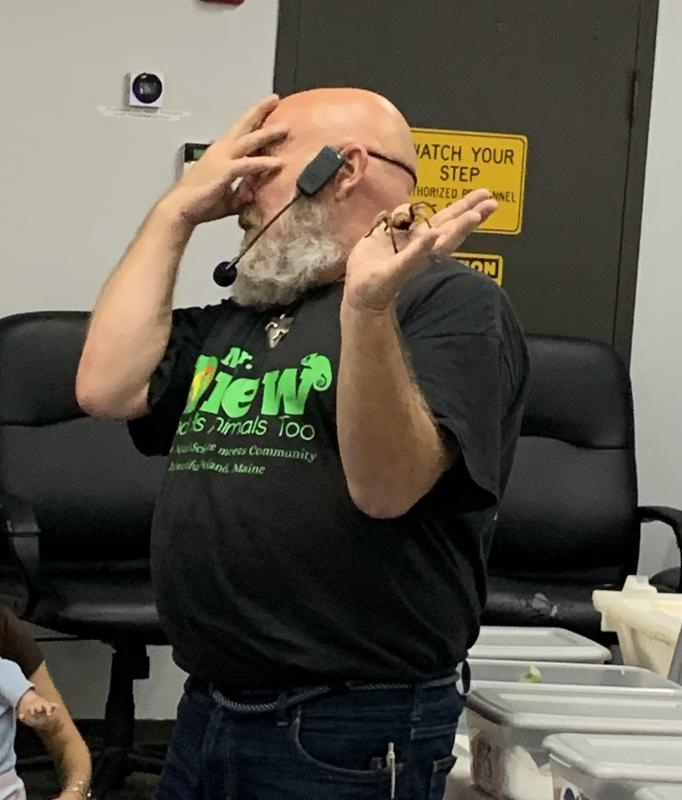
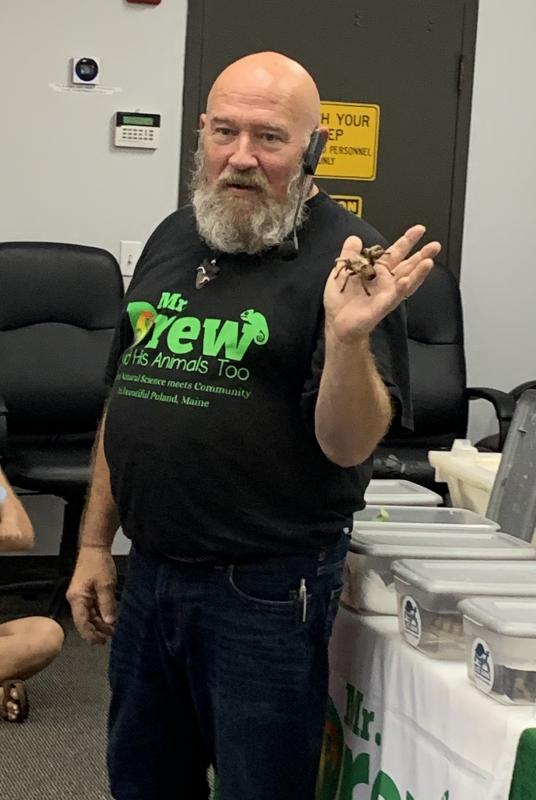
This includes bugs, which make up 85% of the world's animal population, and are vital parts of the ecosystem as pollinators and food sources. Some specimens Desjardins showed were the Vietnamese stick bug, South American cockroach and, drawing squeamish reactions from the crowd, the Arizona blonde tarantula. Tarantulas may have a bad rap, but they rarely bite and can't kill people, explained Desjardins. Also, fun fact: They smell through their feet!
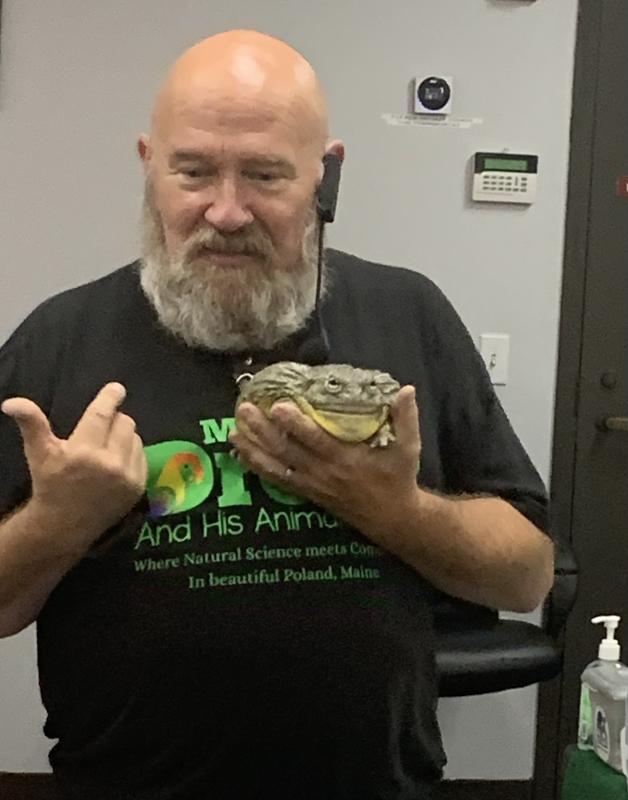
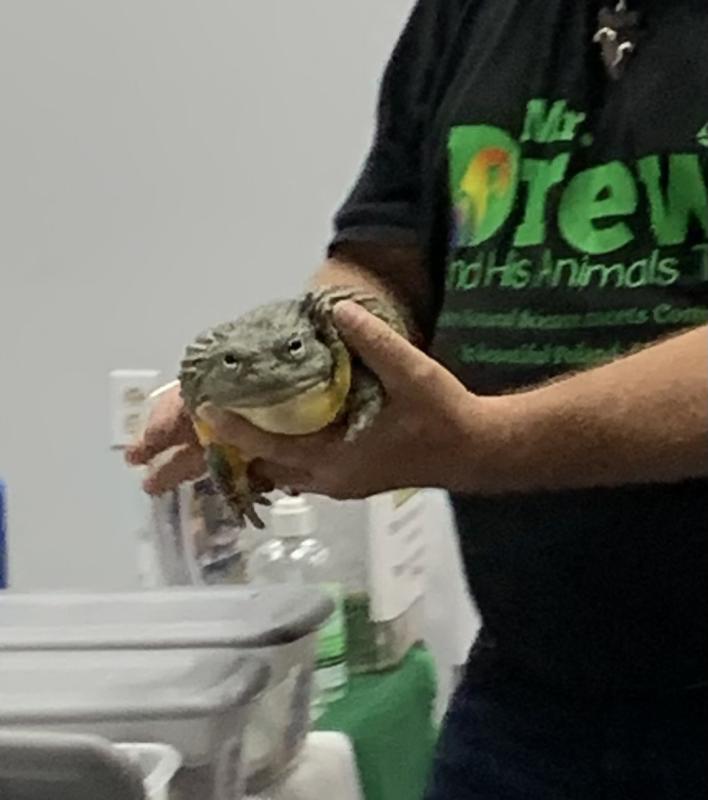
Another animal that uses its body in unexpected ways is the pixie frog (African Bullfrog), one of the world's largest species, which breathes and drinks water through its permeable skin. Humans should avoid handling frogs unless their hands are properly dirtied because the amphibians can die from the skin’s natural or artificial oils.
Using a bony ridge in its mouth, a pixie frog can eat lizards, snakes, birds, other frogs, spiders, scorpions, crabs and even cats, among others. Desjardins' 2-pound frog was surrendered by someone who bought the animal from a pet shop, not fully aware of what they were signing up for.
Desjardins said pet store animals are usually very sick due to mishandling, stress, or parasites they got from the wild. If anyone is interested in an unconventional pet, Desjardins offered himself as a free resource to help them make informed decisions and get animals from reputable places.
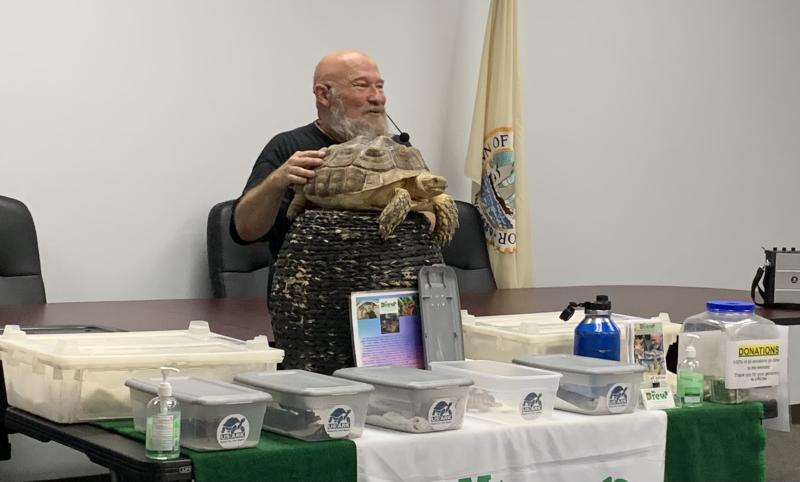
Other animal visitors were the Argentine and Brazilian tegu lizards, Australian blue-tongued skinks, Sinaloan milk snake, boa constrictor and the African spurred tortoise, which can reach up to 250 pounds and live to almost 200 years old.
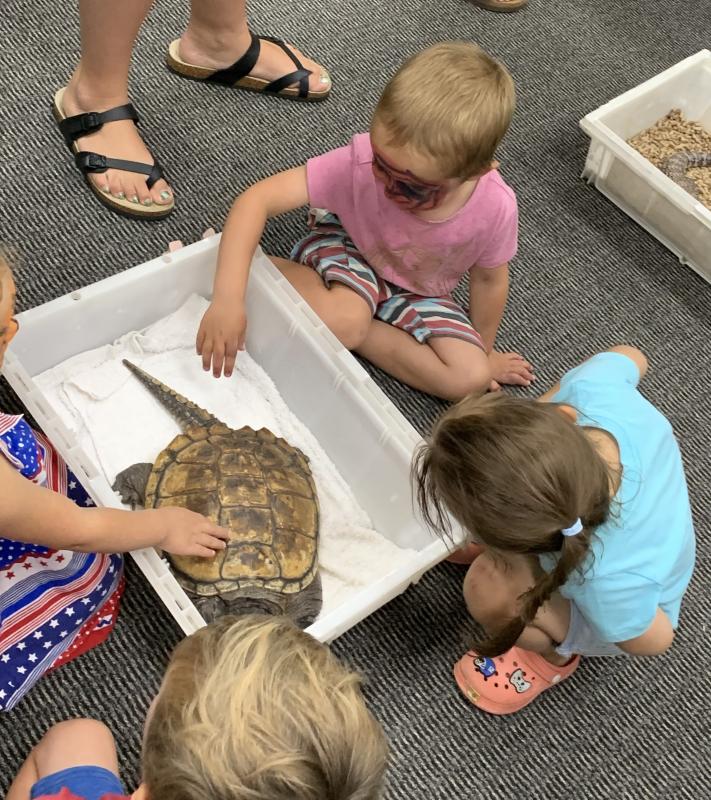
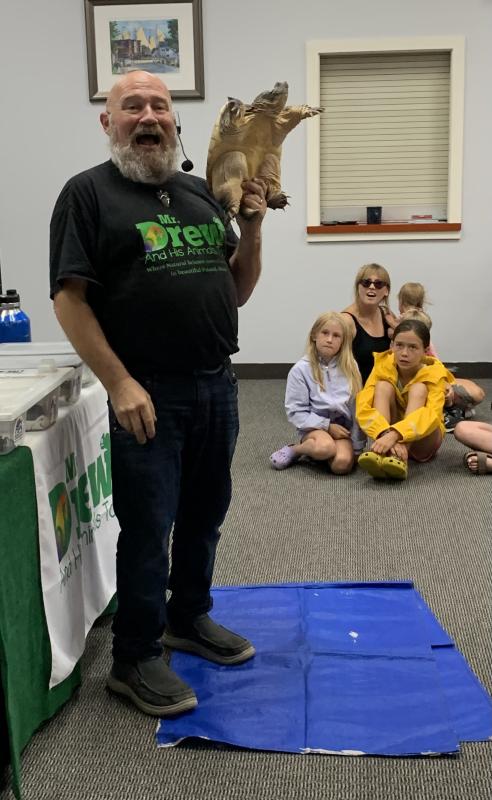
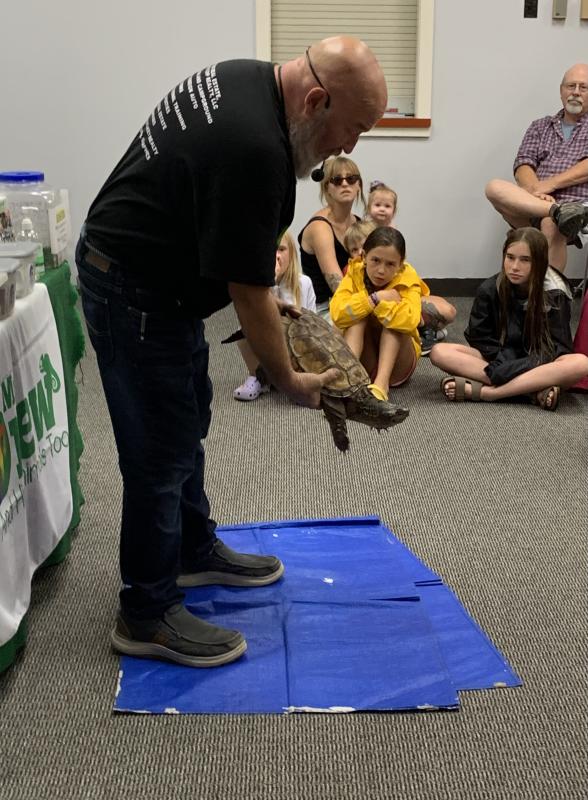
But Desjardins' favorite, and most misunderstood, is the snapping turtle: Unlike popular wisdom, their bite won’t sever a finger. However, their long neck allows a large bite range, so it’s best to herd or get them on a tarp to be dragged if they need to be moved out of the road or other area; don't pick them up by the tail; it causes spinal damage.
Desjardins’ turtle doesn't snap at all. About 11 years ago, Desjardins found a then quarter-sized turtle trapped under the ice. Intending to set the snapper free come spring, Desjardins was soon presented with some odd behaviors, such as a love of chin/neck rubs and lap-sitting.
"Then I found out he likes blankets, and I said, 'He's never going to survive in the wild.'"
Desjardins finished out by asking attendees to join his “One Piece Challenge,” and pick up at least one piece of trash every day. “It automatically makes tomorrow a better day for you, for me, for the animals on the planet, for the planet itself. Every single day is Earth Day, not just one day a year. It's the one thing we all have in common; this planet we live on is our home.”